Bringing a new puppy home is one of the happiest experiences for any family, accompanied by wagging tails, playful nibbles, and plenty of learning curves. Amidst setting up feeding schedules and puppy-proofing your home, one question almost every new pet parent asks is: when to start grooming your puppy?
Many first-time dog owners assume grooming is only necessary once a dog grows into its adult coat or starts looking scruffy. In reality, introducing grooming early both gently at home and through a calm introductory salon visit is the key to raising a relaxed, cooperative dog who actually enjoys spa days. Whether you are preparing for your puppy’s very first brush at home or looking for reliable puppy grooming in Hyderabad, understanding the right timeline keeps your puppy safe, clean, and stress-free.
When Should You Start Grooming Your Puppy?
You should start introducing basic grooming habits the very week your puppy comes home, typically around 8 weeks of age, well before their first professional salon appointment. Early grooming is less about styling and more about helping your puppy feel comfortable being touched and handled.
When can puppies start getting familiar with grooming?
Puppies go through a critical socialization window between 8 and 16 weeks of age, during which they form lifelong impressions of new sights, sounds, and sensations. Starting around 8 weeks, you can introduce short, 30-to-60-second handling sessions at home. Gently stroking their paws, looking inside their ears, and running a soft bristle brush over their back while offering praise and small treats teaches them that grooming is completely safe.
Home grooming vs. professional grooming
Home grooming and professional grooming serve two distinct but complementary purposes:
- Home grooming builds daily trust, removes loose puppy fuzz, and prevents tangles between visits.
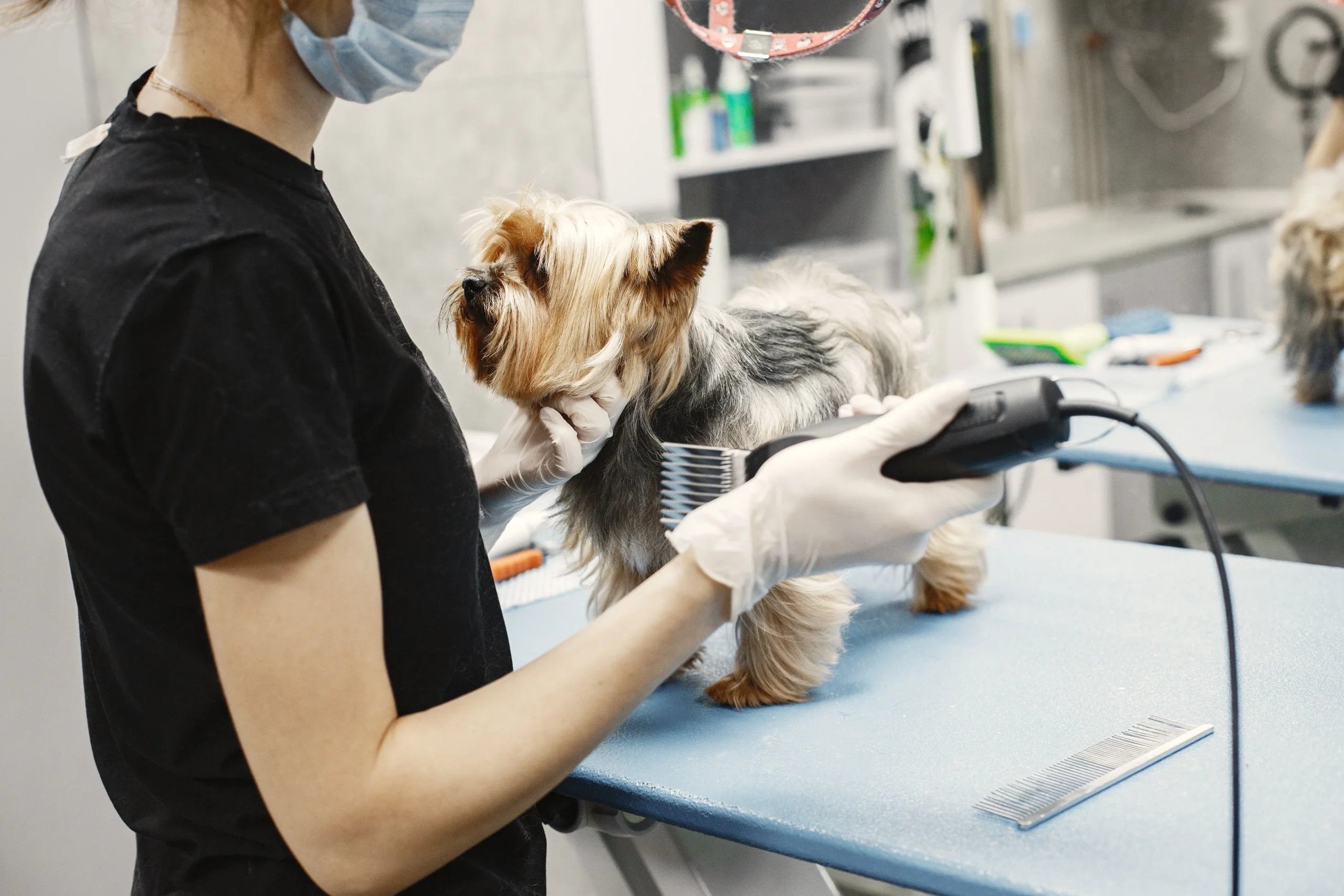
- Professional grooming safely introduces salon equipment such as low-noise dryers, grooming tables, and nail clippers handled by trained specialists who know how to read puppy body language.
Signs your puppy may be ready for its first grooming visit
Your puppy is generally ready for an introductory salon visit when:
- They have settled into your home routine for at least a couple of weeks.
- They accept gentle touch around their face, paws, and tail without extreme panic.
- Your veterinarian has confirmed their vaccination immunity is sufficient for public pet spaces.
What Is the Right Age for a Puppy’s First Professional Grooming?
While there is no single universal age rule for every dog, most veterinarians and professional groomers recommend scheduling a puppy’s first introductory salon visit between 12 and 16 weeks of age, shortly after they receive their core vaccinations.
Understanding introductory grooming sessions
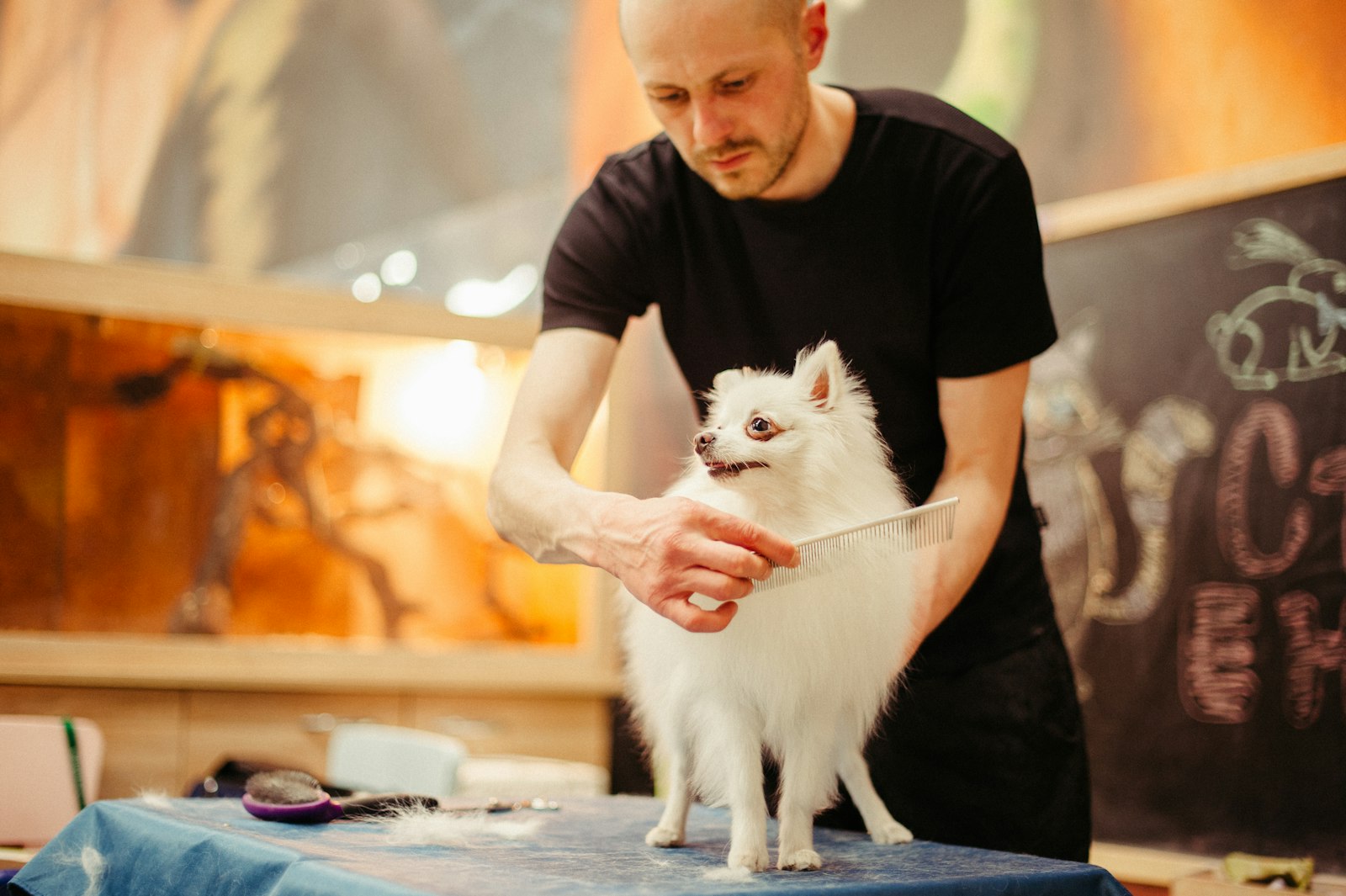
A puppy’s first salon visit should never be a full, two-hour makeover. Instead, reputable salons offer a short 20-to-30-minute introductory puppy session. This gentle appointment focuses entirely on positive desensitization: a light brush, a lukewarm bath with tear-free puppy shampoo, gentle towel and low-heat drying, a quick ear check, and a light tip trim on their nails.
When is a puppy ready for a full grooming session?
Full grooming appointments—which include breed-specific styling, full-body scissor work, or specialized trims like a neat zero cut for dogs or a breezy summer cut dog style—should wait until your puppy is around 4 to 6 months old and comfortable standing calmly on a grooming table. Rushing a full haircut before a puppy trusts the tools can create lifelong grooming anxiety.
Factors that affect the right grooming age
- Coat genetics: Curly-coated breeds (such as Poodles and Shih Tzus) develop tangles quickly and need earlier salon exposure than short-coated breeds.
- Individual temperament: Shy or rescue puppies benefit from visiting the salon just to sniff around and receive treats before even getting a bath.
- Veterinary clearance: Health and immunity always come before cosmetic grooming.
Can You Groom a Puppy Before Vaccination?
Safety always comes first when raising a young puppy. Because grooming salons welcome dogs from across the neighbourhood, vaccination status directly determines when it is safe to book an in-salon appointment.
Why vaccination status matters before visiting a grooming salon
Young puppies have developing immune systems. According to the AVMA guidelines on puppy vaccinations, core vaccines protect puppies against serious, contagious viruses such as Canine Parvovirus and Distemper. Visiting a public grooming salon before your puppy has built adequate immunity exposes them to unnecessary health risks.
What should pet parents ask their veterinarian?
During your puppy’s routine checkup, ask your vet directly: “Based on my puppy’s vaccine schedule, when are they safely cleared to visit a grooming salon?” Some vets clear puppies 10 to 14 days after their second booster, while others advise waiting until the full puppy series is complete, depending on local health conditions.
What information should you share with your groomer?
Always carry your puppy’s vaccination booklet to your first appointment. Sharing their exact vaccination dates allows your grooming team to verify safety requirements, schedule your puppy during quieter, low-traffic hours, and ensure freshly sanitized tables and tubs are ready before you arrive.
When Can a Puppy Have Its First Bath?
Puppies are naturally curious explorers meaning muddy paws and messy meals often happen long before their final vaccine booster. Fortunately, you do not have to wait until 16 weeks to give your puppy a gentle bath at home.
Things to consider before bathing a young puppy
Puppies under 12 weeks cannot regulate their body temperature as efficiently as adult dogs. If your puppy gets dirty and needs a bath at home:
- Keep the bathroom warm and completely free of cold drafts.
- Use lukewarm water, never hot or cold.
- Keep bath time brief (under 5 to 10 minutes) so your puppy does not get chilled or overtired.
Choosing puppy-appropriate bathing products
Never use human shampoo, baby shampoo, or strong adult dog shampoos on a puppy. Canine skin has a different pH balance than human skin, and harsh cleansers strip away protective natural oils, leading to dryness and itching. As highlighted in RSPCA dog grooming advice, always use a mild, tear-free shampoo formulated specifically for puppies.
How to dry your puppy safely after a bath
Immediately wrap your puppy in a soft, absorbent towel and gently pat rather than aggressively rub—their coat dry. If you use a home hairdryer, set it to the lowest heat and lowest airflow setting, keeping the nozzle at least 12 inches away from their skin so you never burn or startle them.
What Happens During a Puppy’s First Grooming Session?
Knowing exactly what happens behind the salon doors helps take the worry out of dropping off your puppy for the first time. At our grooming floor, we treat a puppy’s first appointment like their first day of kindergarten slow, encouraging, and completely free of pressure.
Getting familiar with the grooming environment
Before any tools are switched on, your puppy is given a few minutes to sniff the grooming table, explore the room, and meet their groomer with plenty of gentle praise and treats.
Brushing and coat assessment
The groomer checks your puppy’s coat from head to tail to spot any hidden tangles behind the ears, dry skin flakes, or sensitive spots, followed by a gentle brush-through.
Bathing and drying, when appropriate
Your puppy receives a soothing, lukewarm bath with gentle massage strokes. When drying, experienced groomers introduce the dryer gradually letting the puppy feel a light breeze on their body first before moving anywhere near the face or ears. (Note from the Paw Ritz grooming team: We often let nervous puppies sniff the turned-off dryer first and reward them with treats before switching it onto the lowest setting, which helps them stay relaxed.)
Basic hygiene and grooming care
Rather than a full body shave, the groomer performs essential hygiene care:
- Gently wiping the outer ear flaps.
- Clipping just the sharp tips of the nails so they don’t catch on carpets.
- Performing a light sanitary trim around the eyes and paws if fur is blocking their vision or grip.
Why a puppy’s first session should be gentle
If a puppy feels restrained or overwhelmed during their first groom, they will remember that fear for years. Ending the session while the puppy is still happy and curious ensures they look forward to future visits.
How to Prepare Your Puppy for Its First Grooming Appointment
A little preparation at home makes your puppy’s first professional appointment dramatically smoother. Following basic AKC puppy grooming recommendations, start these simple habits two to three weeks before your booking:
Get your puppy comfortable with gentle brushing
Keep a soft puppy brush near your sofa. While your puppy is relaxed after playtime, let them sniff the brush, give a treat, and make two or three gentle strokes along their back. Gradually increase the duration over several days.
Introduce handling around the paws, ears and face
Groomers must hold your puppy’s paws to trim nails and gently hold their chin to trim facial hair. Practice lightly touching each toe pad, lifting their earflaps, and holding their chin softly for two seconds at a time, rewarding calm behavior immediately.
Carry vaccination and relevant health information
Bring your puppy’s updated vaccination record and note any recent vet advice, skin allergies, or sensitive areas.
Tell the groomer about your puppy’s behaviour and sensitivities
Let your groomer know if your puppy dislikes loud noises, gets anxious in the car, or is sensitive around their hind legs. Honest communication helps the groomer adjust their pace to match your puppy’s comfort level.
Does Your Puppy’s Breed Affect Its Grooming Needs?
Every breed carries different coat genetics, meaning your friend’s Beagle will need a very different routine than your neighbor’s Shih Tzu or Golden Retriever.
Grooming needs of short-coated puppies
Breeds like Labradors, Beagles, Pugs, and Indian Pariah puppies have sleek, short coats that do not require haircuts. However, they still need regular nail trims, ear cleaning, and occasional de-shedding baths to keep their coat glossy and skin healthy.
Grooming needs of long-coated puppies
Breeds such as Golden Retrievers, Cocker Spaniels, and Shih Tzus grow longer coats that easily pick up outdoor dust and burrs. Regular brushing prevents painful knots from forming behind the ears and under the legs.
Grooming needs of curly-coated puppies
Poodles, Maltipoos, and Bichon Frises have continuously growing, curly hair that traps loose fur inside the coat. Without regular brushing and professional trims every 4 to 6 weeks, tight mats can form close to the skin.
Grooming needs of double-coated puppies
Breeds like Huskies, German Shepherds, and Pomeranians have a soft, dense undercoat beneath a coarser topcoat. In warm, dusty weather such as summers in Hyderabad keeping the undercoat brushed out and free of trapped dead fur is essential for proper airflow and skin comfort. (Important note: Double-coated breeds should generally be de-shedded and brushed out rather than shaved down to the skin, as their topcoat protects them from sunburn and heat.)
How Often Should You Groom a Puppy?
Consistency is much easier on a puppy than infrequent, marathon grooming sessions.
| Coat Type | Home Brushing Frequency | Professional Salon Frequency | Key Focus Area |
| Short Coat (Labrador, Beagle, Pug) | 1–2 times per week | Every 6–8 weeks | Bathing, nail trims, ear checks |
| Long Coat (Golden Retriever, Shih Tzu) | Every 1–2 days | Every 4–6 weeks | Tangle prevention, sanitary & paw trims |
| Curly Coat (Poodle, Maltipoo) | Daily | Every 4–6 weeks | Mat prevention, coat shaping |
| Double Coat (Husky, Pomeranian) | 3–4 times per week | Every 6–8 weeks | Undercoat de-shedding, skin health |
Brushing and coat maintenance between appointments
Spending five minutes brushing your puppy at home every couple of days keeps natural skin oils distributed and prevents small tangles from turning into painful mats that require shaving.
Signs your puppy may need professional grooming
Book an appointment sooner if you notice:
- Nails clicking loudly against tiled floors.
- Tangles or small knots forming behind the ears or collar area.
- A lingering “doggy” odour or dusty buildup after outdoor walks.
- Fur growing over your puppy’s eyes or between their paw pads.
What Should You Look for in a Puppy Grooming Salon?
Choosing where to take your puppy for pet grooming in Hyderabad or anywhere else is just as important as choosing their veterinarian. Look for these four non-negotiable standards before booking:
Cleanliness and sanitised grooming equipment
The salon floor, bathing tubs, grooming tables, and blades should look and smell clean. Ask how tools and tubs are sanitized between appointments, especially when young puppies are visiting.
Experience with puppies and gentle handling
Watch how the staff interacts with pets in the lobby. Skilled puppy groomers never rush, force, or scold a nervous puppy; they use positive reinforcement, gentle restraint, and patience.
Suitable grooming products and equipment
Confirm that the salon uses mild, puppy-safe, hypoallergenic shampoos rather than harsh chemical washes, and maintains well-serviced, quiet clippers and dryers.
Communication with pet parents
A trustworthy salon takes time to ask about your puppy’s vaccination history, temperament, and coat preferences before starting, and updates you honestly on how your puppy behaved during the session.
Looking for Puppy Grooming in Manikonda, Hyderabad?
For pet parents living in and around Manikonda, finding a calm, hygienic grooming space close to home makes your puppy’s early salon experiences much easier.
Choosing a convenient grooming service for your puppy
Young puppies often find long car rides across city traffic tiring or overwhelming. Choosing a trusted local salon for dog grooming in Manikonda keeps travel time short so your puppy arrives relaxed and ready for a positive experience.
What to discuss before booking an appointment
When calling to schedule your puppy’s visit, share their breed, exact age in weeks, vaccination status, and whether they have ever been brushed or bathed before. This helps the team block extra time so your puppy never feels rushed.
How Paw Ritz can help with your puppy’s grooming needs
At Paw Ritz Pet Store and Spa, located in Manikonda, Hyderabad, we believe a puppy’s first grooming experience should be gentle, safe, and reassuring from the moment they walk through the door. Our dedicated puppy grooming service focuses on stress-free introductory baths, patient brushing, nail care, and gradual acclimation to salon tools at your puppy’s own pace. You can learn more about our pet-first care philosophy on our About Us page, or contact us directly to discuss your puppy’s vaccination status and schedule a quiet introductory visit.
Frequently Asked Questions About a Puppy’s First Grooming
1. At what age should a puppy get its first professional grooming?
Most puppies are ready for a short, introductory professional grooming session between 12 and 16 weeks of age, once their veterinarian confirms they have received sufficient core vaccinations.
2. Can I groom my puppy before vaccination?
You can and should start gentle brushing, paw touching, and mild home baths before vaccinations are complete. However, wait until your vet clears your puppy’s vaccination status before visiting a public grooming salon to protect them from infectious illnesses.
3. When can I give my puppy its first bath?
You can give your puppy a gentle bath at home whenever they get dirty, even as early as 8 to 10 weeks, as long as you use lukewarm water, tear-free puppy shampoo, and dry them thoroughly in a warm, draft-free room.
4. Should a puppy get a haircut during its first grooming?
Usually, no. A puppy’s first appointment should focus on positive exposure, a soothing bath, gentle brushing, ear cleaning, and a nail tip trim rather than a full haircut, so they build confidence without feeling overwhelmed.
5. How do I prepare my puppy for its first grooming?
Start two to three weeks early by brushing your puppy for a minute or two each day, gently handling their paws and ears, and pairing every session with praise and treats.
6. How often should I groom my puppy?
Puppies with curly or long coats benefit from professional visits every 4 to 6 weeks alongside frequent home brushing, while short-coated puppies typically need professional grooming every 6 to 8 weeks.
7. Is professional grooming necessary for short-haired puppies?
Yes. Even though short-haired breeds do not need haircuts, regular professional visits help manage shedding, keep nails trimmed to a healthy length, clean ears safely, and ensure your dog stays comfortable with salon handling throughout adulthood.
8. How do I know if my puppy is scared of grooming?
Signs of stress include tucked tails, trembling, excessive lip-licking, yawning, whining, or trying to pull away. If you notice these signals, slow down, take a break, and use smaller, treat-rewarded steps.
Conclusion
Starting your puppy’s grooming journey early is one of the best investments you can make in their lifelong comfort and health. By pairing patient, treat-filled handling at home with safe vaccination practices and a calm introductory salon visit, you help your puppy grow into an adult dog who greets bath time with a wagging tail.
Every puppy learns at their own pace, so keep early sessions short, positive, and tailored to their coat type. If you are looking for gentle, trustworthy puppy grooming in Manikonda, Hyderabad, reach out to our team at Paw Ritz Pet Store and Spa we would love to welcome you and your puppy for a calm, stress-free first visit.